

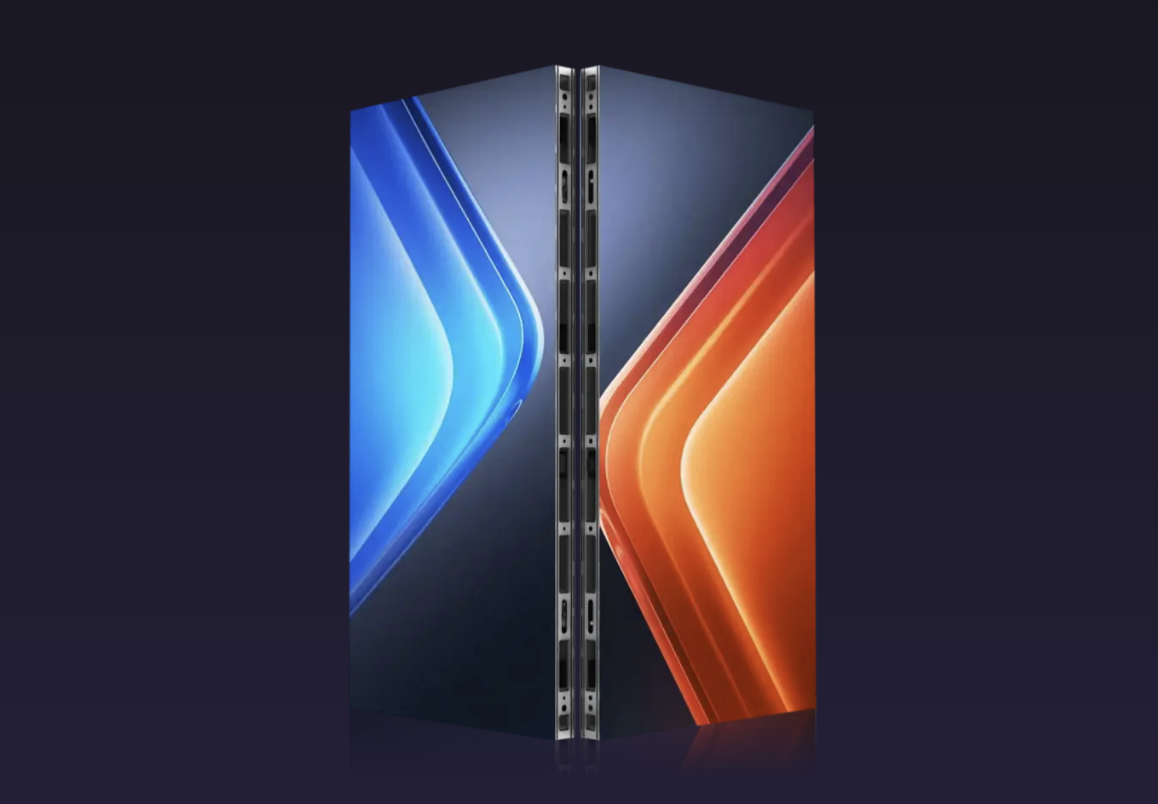
Touring crews do not need equipment that only looks good in a showroom. They need gear that loads fast, survives handling, aligns cleanly, and works again tomorrow in a different city.
Flexible LED screens can add curved walls, corner effects, wave shapes, and stage depth. For rental teams, the question is whether the system can do that without slowing down the entire production.
Check the Shape Options First
Before asking about price, ask what shapes the rental system can actually build. Can it handle concave curves? Convex curves? 90-degree corners? Staggered sections? Can it mix with standard flat panels?
The answer affects the show design and the inventory plan. A flexible screen that only works in one special configuration may be less useful than a modular system that can adapt from event to event.
Rental buyers can start with rental LED display options to compare product families built for staging, events, and repeated setup.
Weight, Handling, and Protection
Touring equipment gets touched constantly. Panels are packed, rolled, lifted, stacked, flown, repaired, and packed again. Weight and protection matter because they affect crew fatigue and damage risk.
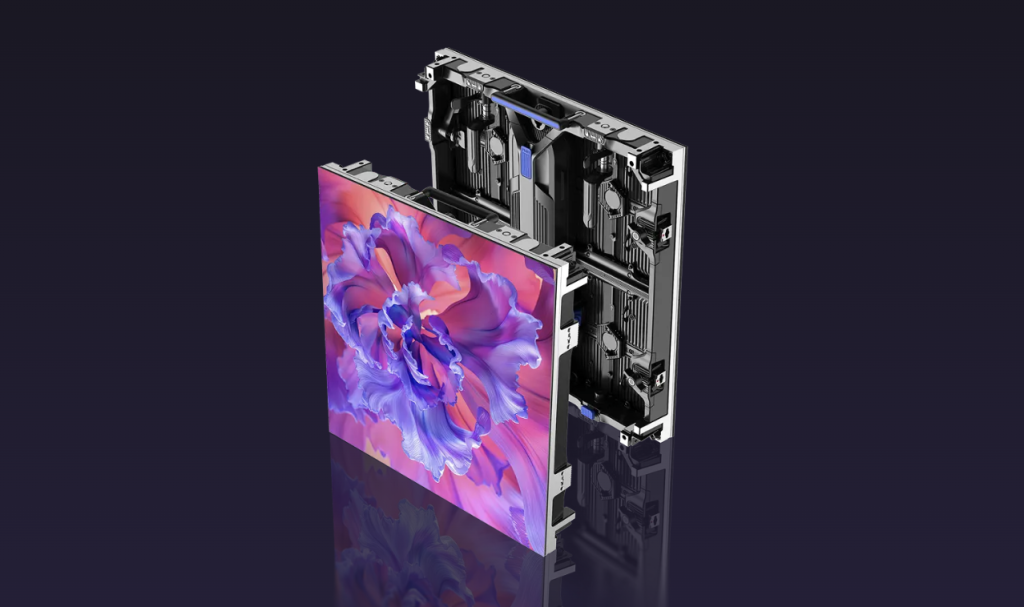
Ask about edge protection, anti-collision features, flight cases, dollies, and how quickly modules can be replaced. A lighter panel is helpful, but only if it is also durable enough for the tour schedule.
Pixel Pitch and Audience Distance
Stage LED does not always need the finest pitch. If the audience is far away, a wider pitch may be perfectly acceptable. If the screen appears in camera close-ups or sits behind speakers at a corporate keynote, a tighter pitch may be needed.
The right pitch depends on the closest viewer, the camera plan, and the content. A rock show, esports event, and medical conference will not use the screen the same way.
Power, Signal, and Backup
Flexible shapes can complicate cable routing. Curves and corners may create unusual paths for power and data. The crew should confirm maximum cable runs, backup signal paths, spare receiving cards, and the location of service access.
According to the International Energy Agency, electricity demand connected to digital infrastructure and commercial activity is rising. For touring productions, that makes load planning and efficient system design more important, especially at outdoor sites and temporary venues.
The Quick Rental Checklist
Before booking, confirm:
- Supported curve and corner types
- Panel weight and case design
- Setup time per square meter
- Pixel pitch options
- Refresh rate for camera use
- Front and rear maintenance access
- Spare module package
- Weather rating for outdoor dates
- Rigging compatibility
Choose Flexibility That Saves Time
A rental flexible LED screen should make a stage more creative without making the schedule fragile. The best systems help crews move between straight walls, curves, and corners with minimal drama.
For teams planning repeated event use, Esdlumen rental LED displays are a practical category to review before narrowing the choice to a specific series.
The right rental screen is not the one that bends the most. It is the one that bends, travels, and comes back working.
