

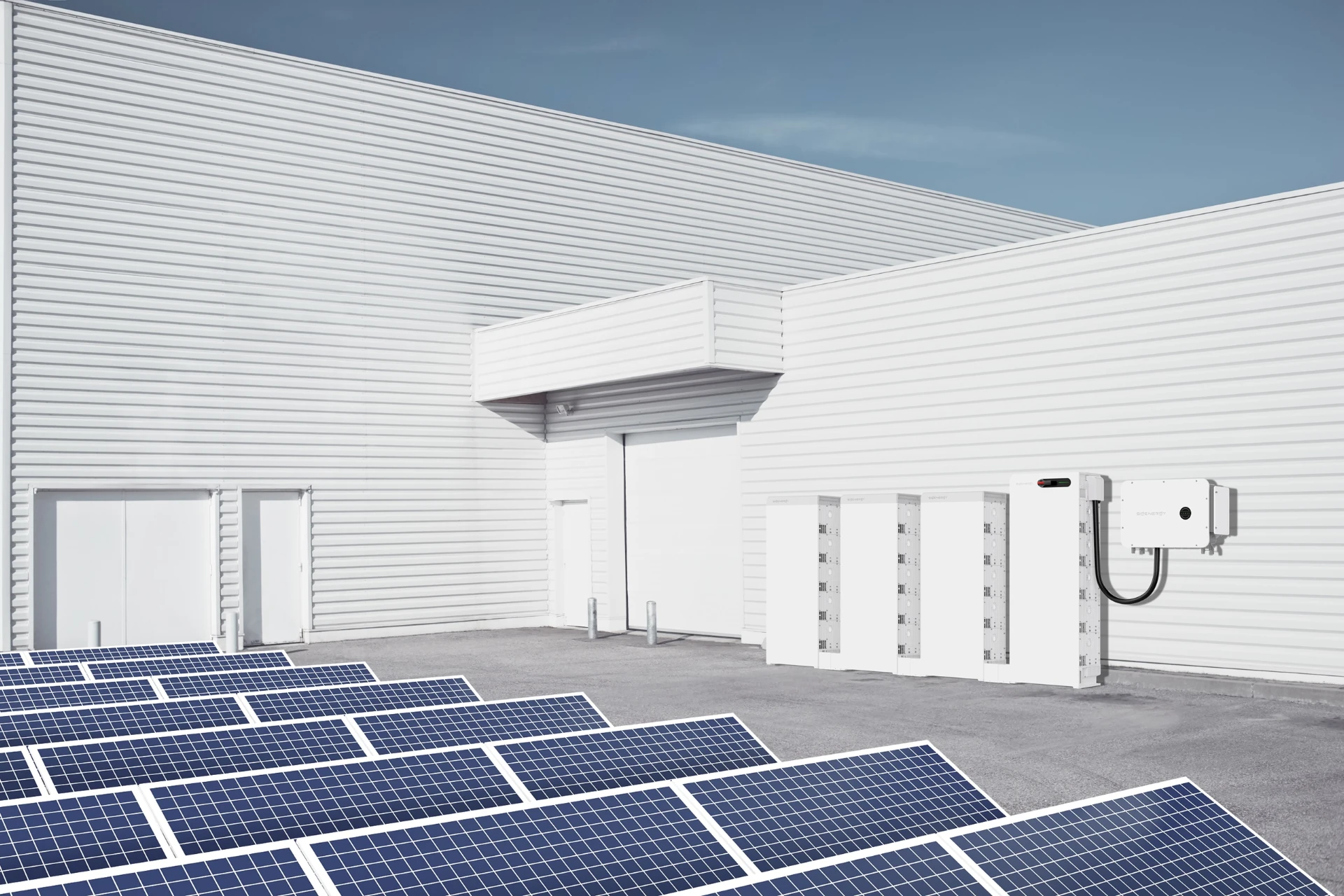
A warehouse roof can look like the perfect place for microinverters: hundreds of modules, open space, and plenty of sun. Then the operations manager asks how service crews will access rooftop electronics in August, or how the system will tie into storage. The residential answer does not always scale cleanly.
Scale changes the inverter tradeoff
In residential solar, microinverters often compete on shade tolerance, panel-level monitoring, and design flexibility. In commercial solar, the same benefits may still matter, but cost, service access, electrical architecture, and fleet monitoring become bigger factors.
A commercial string inverter converts DC power from multiple strings of panels into AC power at a larger centralized unit. That can reduce the amount of power electronics scattered across the roof. For sites with simple roof geometry and consistent sunlight, this can be a practical design.
According to NREL, commercial PV projects are often evaluated on lifecycle cost, operations and maintenance, and energy yield rather than equipment price alone. That is the right lens. A system that is slightly more efficient on paper may not be best if maintenance access is poor or downtime is expensive.
For businesses evaluating larger systems, a commercial solar inverter platform can be more relevant than residential microinverter comparisons.
When microinverters may still make sense
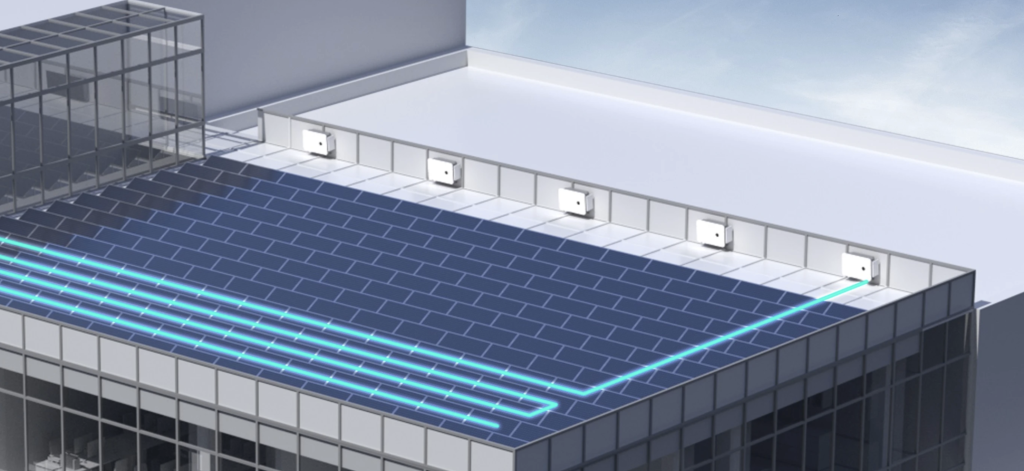
Commercial does not automatically mean string. Microinverters or module-level electronics may be worth considering when a roof has many obstructions, mixed orientations, strict module-level monitoring needs, or phased expansion plans.
The decision should be based on site conditions:
· Flat, open roof: commercial string inverter often fits well
· Obstructed roof: panel-level electronics may help
· Hard-to-access roof: fewer rooftop devices may be preferred
· Frequent expansion: modular design matters
· Storage planned: inverter and battery architecture should be reviewed together
The phrase “which is better” is too vague for commercial projects. Better for yield? Better for maintenance? Better for first cost? Better for a five-year energy strategy? Each answer can point to different hardware.
Energy storage changes the business case
Commercial sites often care about more than producing solar energy. They may want to reduce peak demand, shift load away from expensive periods, improve resilience, or prepare for EV fleet charging. In those cases, inverter selection should be tied to the broader energy plan.
According to the U.S. Energy Information Administration, commercial customers in many markets face demand-based charges, where the highest short interval of usage can affect the bill. That makes storage and load control valuable in ways that residential solar comparisons often miss.
The inverter is part of that system, but it is not the whole strategy. A commercial site needs to think about AC capacity, DC array design, battery compatibility, monitoring, service access, and how the system behaves during high-load events.
For C&I projects where solar may eventually connect with storage or managed loads, Sigenergy’s business inverter is a logical landing page to study before borrowing assumptions from home solar blogs.
The best commercial inverter choice is the one that matches the building’s operating pattern, not the one that wins a residential debate online.
